Context
As part of Singapore Airlines’ broader digital transformation efforts, UX initiatives were conducted across multiple cargo and digital services platforms to improve operational efficiency and customer experience.
The team that I was working with, was internally deemed as SAA, which is an abbreviation for “Singapore Airlines, Anywhere”.
We handled the main profit-driving unit within SQ, the commercial booking online experience. And with any airline, there are multiple facets of the online booking experience.
Problem
Existing tools and operational workflows were fragmented across internal teams and external partners.
Challenges included:
- complex operational coordination across departments
- limited visibility of cargo operations workflows
- lack of cohesive design standards across digital products
Flow
- Manage booking flow – https://www.singaporeair.com/en_UK/sg/plan-travel/your-booking/managebooking/
- Online check-in flow – https://www.singaporeair.com/en_UK/plan-and-book/check-in-online/
- Miles redemption booking flow – https://www.singaporeair.com/en_UK/plan-and-book/your-booking/searchflight/#/book/bookflight
- Miles extension flow – https://www.singaporeair.com/en_UK/sg/ppsclub-krisflyer/latestnews/2020renewal-kf/
- Kris the Chatbot flow – https://www.singaporeair.com/en_UK/sg/support/kris-the-chatbot/
Pages
- Travel advisories page (Previously COVID Info page) – https://www.singaporeair.com/en_UK/sg/travel-info/covid-19/
- Highflyer partnerships page – https://www.singaporeair.com/en_UK/sg/sq-corporate/highflyer-business-travel-programme/
My Role
UX Strategist / UX Lead contributing to:
- digital service improvements across cargo operations platforms
- service design workshops with internal teams
- research with operational stakeholders

Research & Insights
Workshops and stakeholder interviews revealed:
- operational teams relied heavily on manual coordination
- system interfaces were not aligned with real operational workflows
- teams required clearer information architecture and task flows
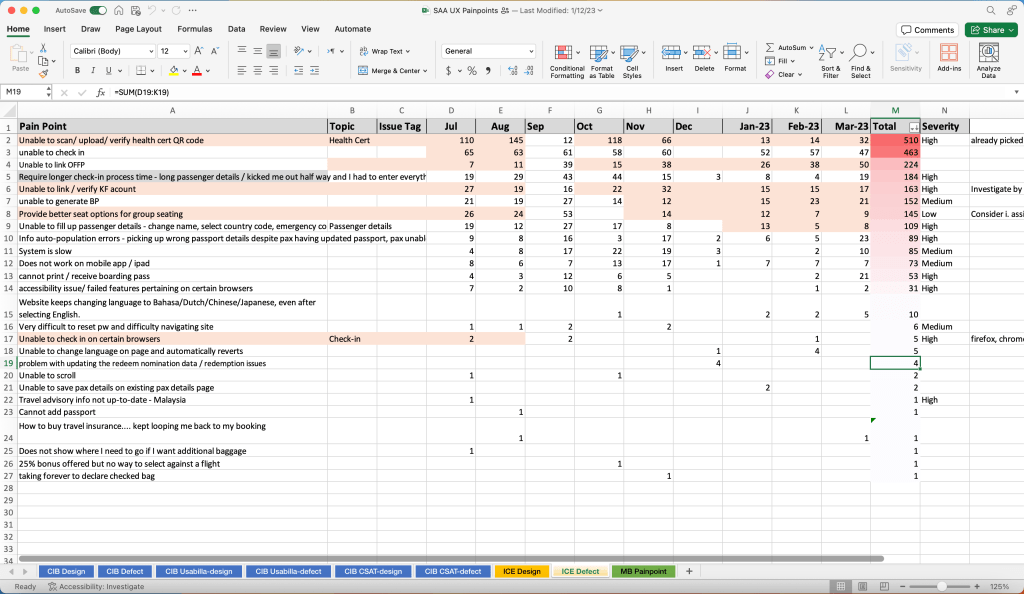
Quantitative
We used CSAT, Glassbox and where quantitative research was required, to make assumptions on users’ frustrations.


Qualitative
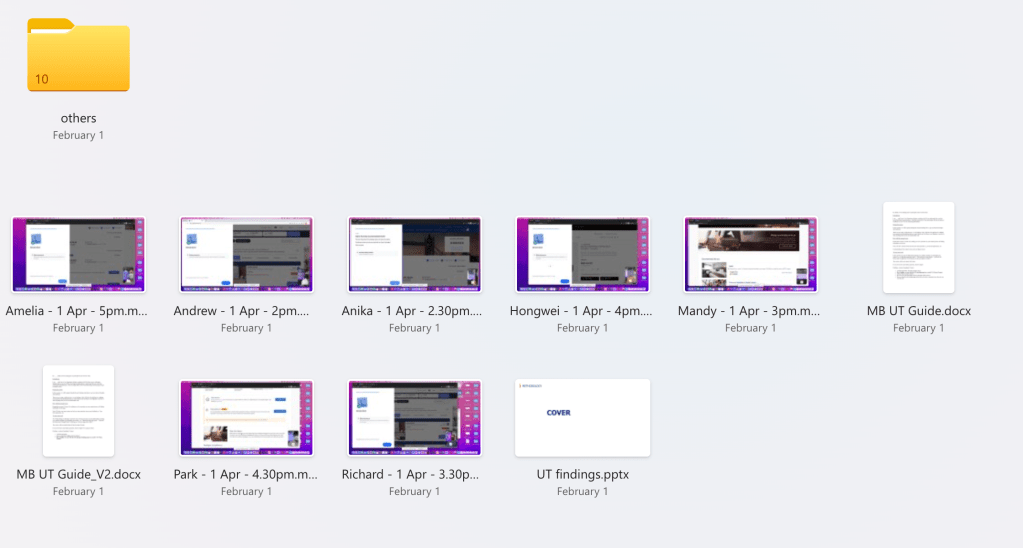
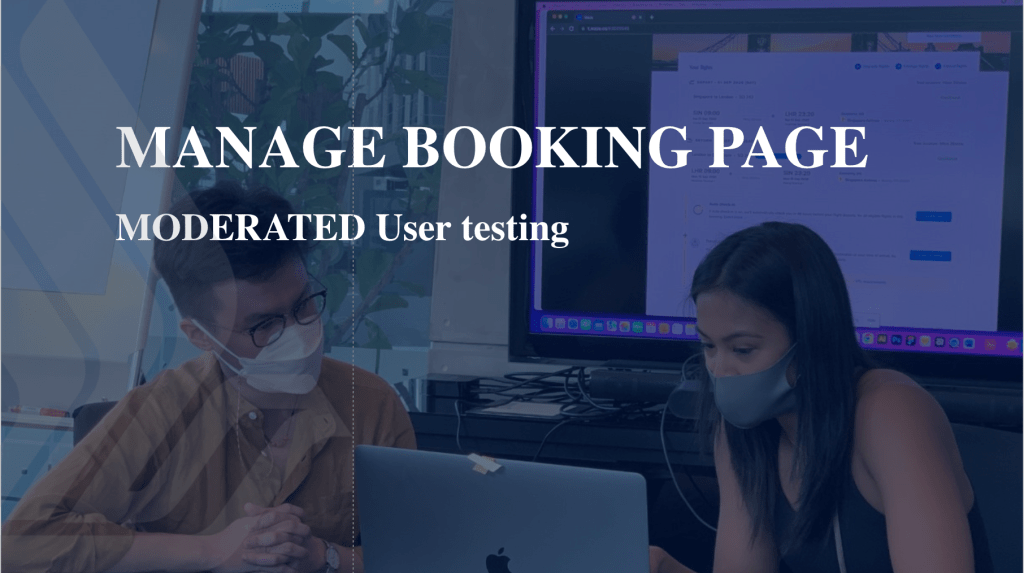
This was later followed up with Usabilla, Glassbox and in-person user interviews to delve deep into the user’s mindset, and get to the root cause of the user pain point.
Key Decisions
To address these challenges, the UX team prioritised:
- improving operational dashboards
- simplifying task flows for cargo operations
- aligning system design with real-world operational processes
Design Outcomes
The work contributed to:
- improved operational interfaces
- clearer cargo management workflows
- enhanced collaboration between product and operations teams

Impact
The improvements supported:
- more efficient operational workflows
- better visibility into cargo processes
- improved internal adoption of digital tools

